
Boat Safety Gear Essentials for a Safer Day on the Water
The best safety gear is not just aboard the boat. It is correctly sized, easy to reach, in working condition, and familiar enough that passengers know what to grab when something goes wrong.
Start here: This guide explains the major safety gear categories recreational boaters should think through before launch. Requirements vary by boat length, propulsion, state, waterway, and operating conditions, so confirm the rules for your boat and location before heading out.
Quick Navigation
Life Jackets and Flotation
Life jackets are the first safety category to get right because they have to match real people, not just a head count. A boat can technically have enough flotation aboard while still being poorly prepared if the jackets are buried under gear, uncomfortable, damaged, or the wrong size for the people actually riding that day.
Wearable Life Jackets
Before launch, match each passenger to a wearable U.S. Coast Guard-approved life jacket or buoyancy aid that fits their weight, chest size, and boating activity. Adult universal jackets are useful spares, but they are not a substitute for properly fitted infant, child, youth, or larger adult sizes when those passengers are aboard.
Fit matters because a loose jacket can ride up in the water, while an uncomfortable jacket is less likely to be worn. If you regularly boat with kids, guests, or new passengers, keeping a few extra sizes aboard can prevent the common ramp-side scramble where the boat is ready but the safety gear is not.
For most boats, it helps to think in categories: low-cost spare jackets for guests, sport vests for tubing or PWC use, paddle-friendly designs for boards and kayaks, and inflatable models for adults who want less bulk while fishing or cruising.
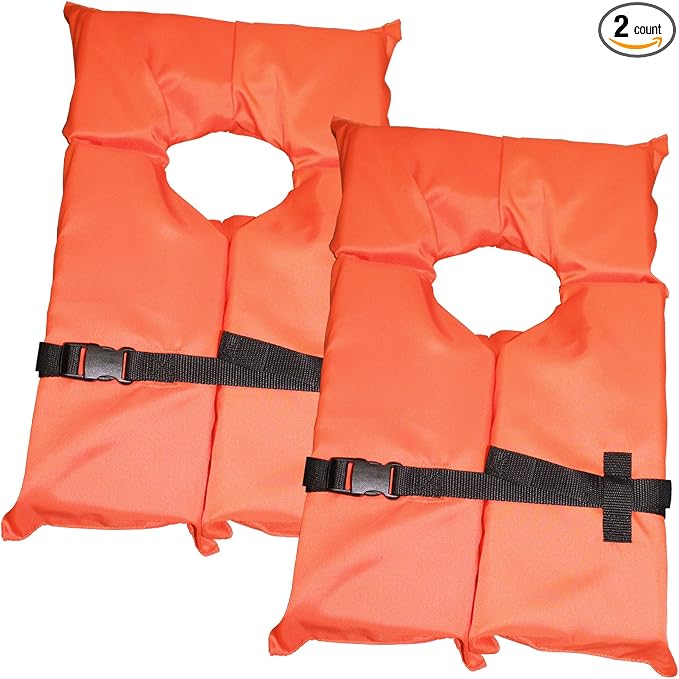
Budget Life Jacket Options
Good category for guest spares and family boats.
View Budget Options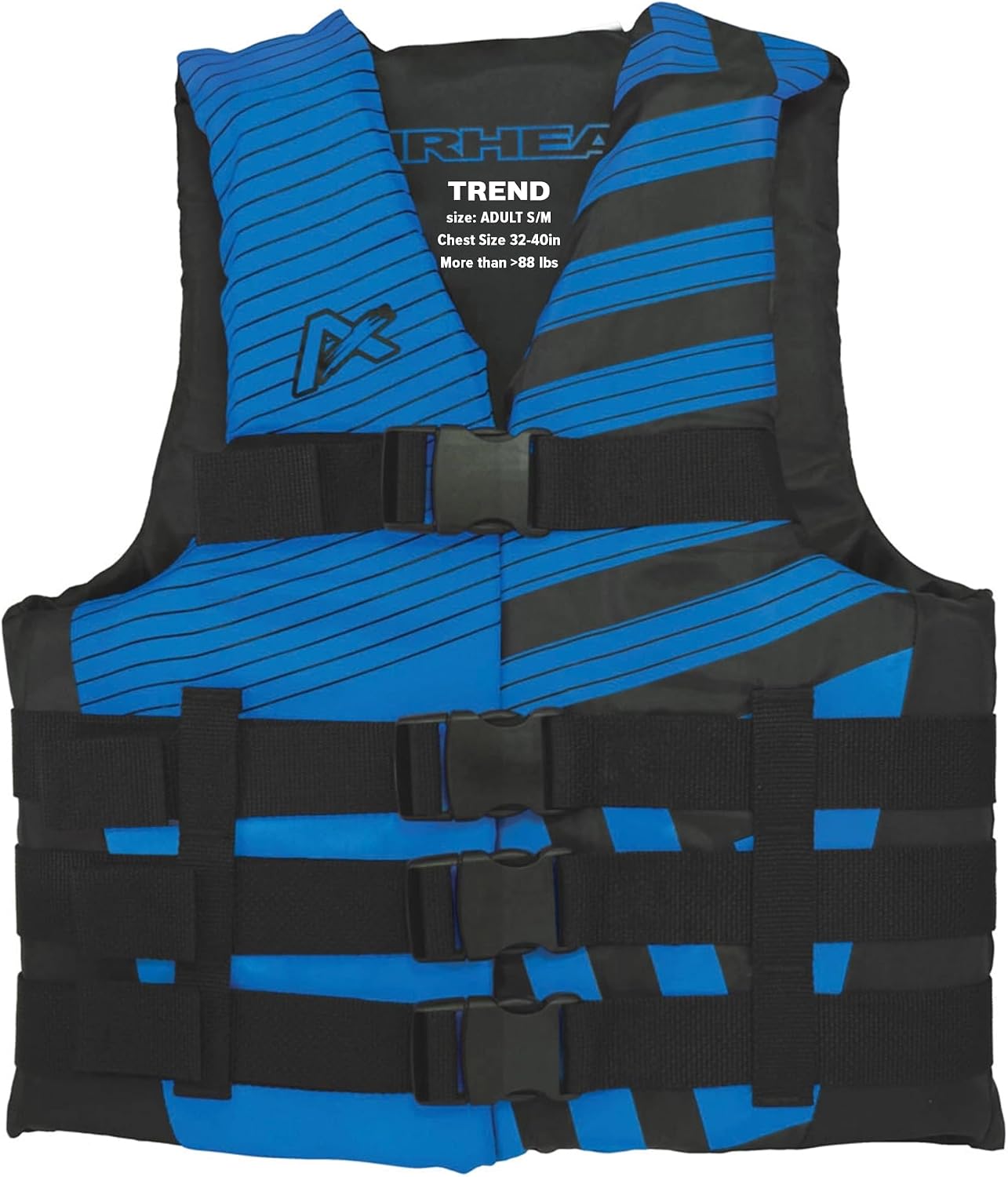
Featured Watersports Life Jacket
Single pick for tubing, skiing, PWC, and active use.
View Product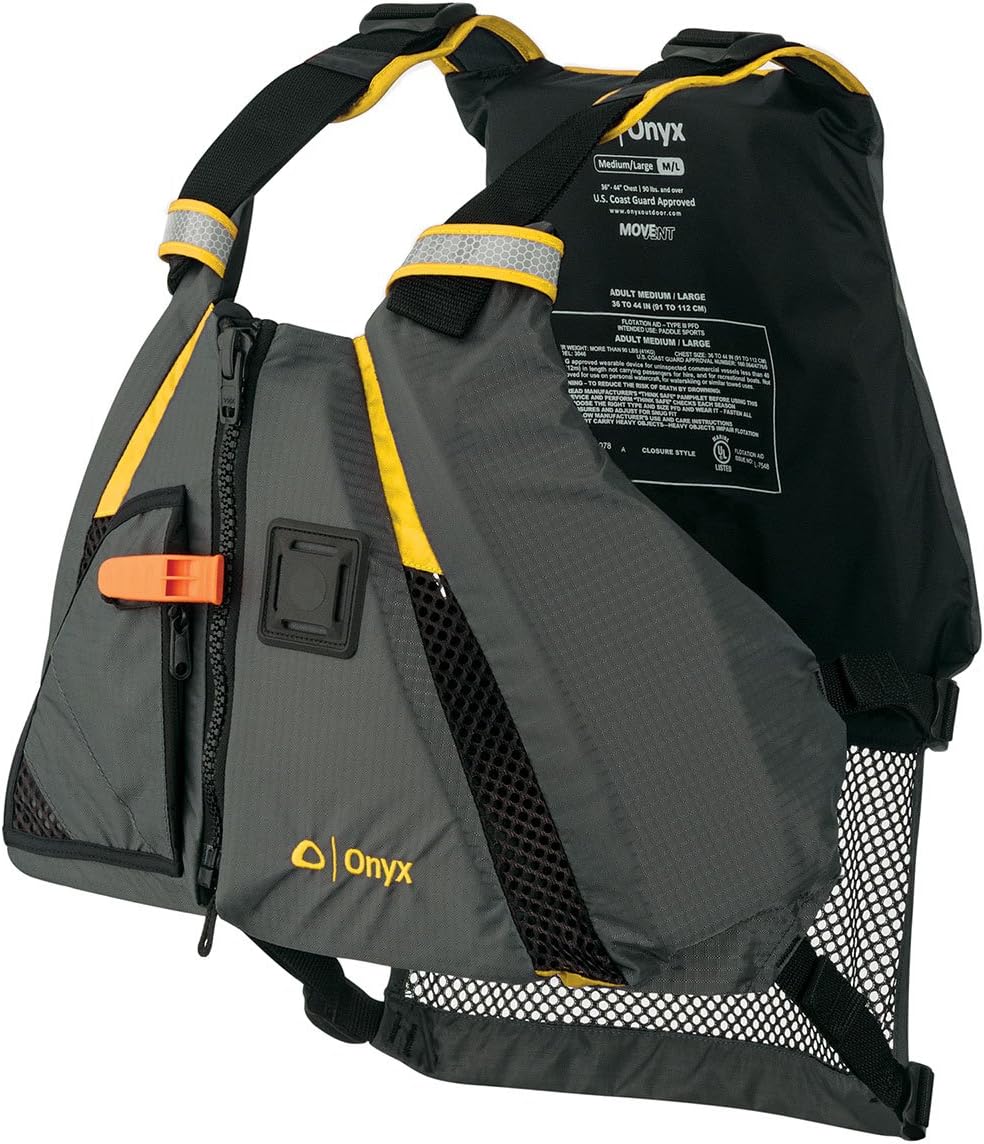
Featured Paddle Board Life Jacket
Single pick for paddling and board movement.
View Product
Throwable Flotation
A throwable cushion or ring buoy is meant for a person in the water, so it should be immediately available instead of packed under seats or coolers. For many boats, especially 16 feet and longer, a throwable device is part of the required safety setup. Even when it is not required, it is one of the simplest pieces of gear to keep near the helm or cockpit.
Look for a throwable that is easy to grip, visible on the water, and simple for passengers to understand. A device that can be thrown quickly is more useful than a nicer-looking one that lives deep in a storage compartment.
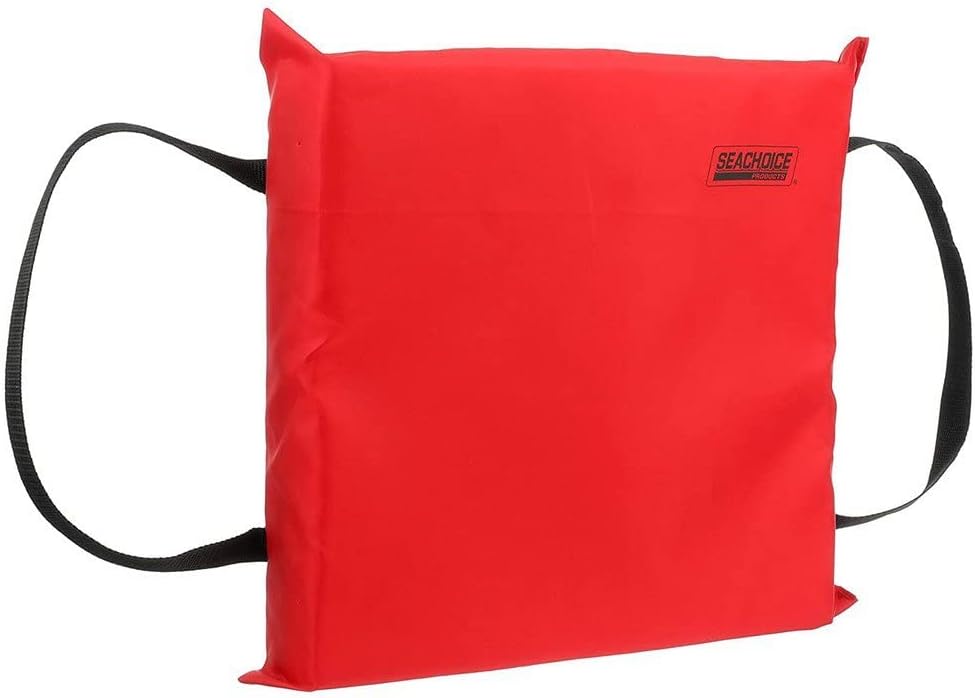
Throwable Flotation Device
A throwable cushion or ring should be visible, easy to grab, and simple to throw. Store it near the cockpit or helm instead of under loaded seats.
View ProductFire, Sound, and Distress Gear
Emergency gear should be chosen with the problems it solves in mind: fire, attracting attention, signaling distress, and communicating with nearby boats. These items are easy to forget because they often sit untouched for long stretches, but they need to work immediately when called on.
Marine Fire Extinguisher
Many powerboats need a serviceable marine fire extinguisher, and the right choice depends on boat length, fuel system, enclosed spaces, and whether the boat has a fixed extinguishing system. Before buying or replacing one, check the rating label, expiration or service status, pressure indicator, mounting bracket, and whether the extinguisher is approved for marine use.
A fire extinguisher should be mounted where it can be reached quickly. A loose extinguisher rolling around in a compartment can be damaged, hidden by gear, or impossible to find when seconds matter.
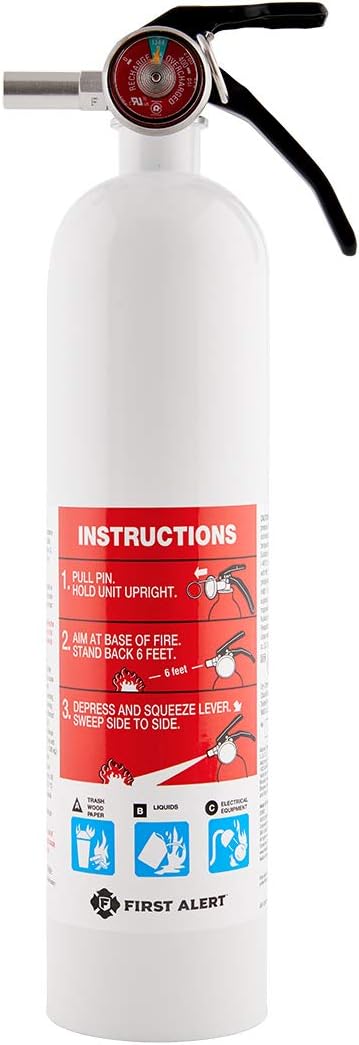
Marine Fire Extinguisher
Check rating, bracket, pressure indicator, and service status.
View ProductSound-Signaling Device
A whistle, handheld air horn, or installed horn helps you signal in low visibility, at anchor, or when another boater needs to notice you. Small boats often meet the basic need with a whistle attached to a life jacket, but a louder horn is useful around ramps, channels, bridges, and crowded water.
Keep at least one sound device where the operator can reach it without leaving the helm. If the boat has an installed horn, test it during the same pre-launch routine used for lights, bilge pump, and battery checks.
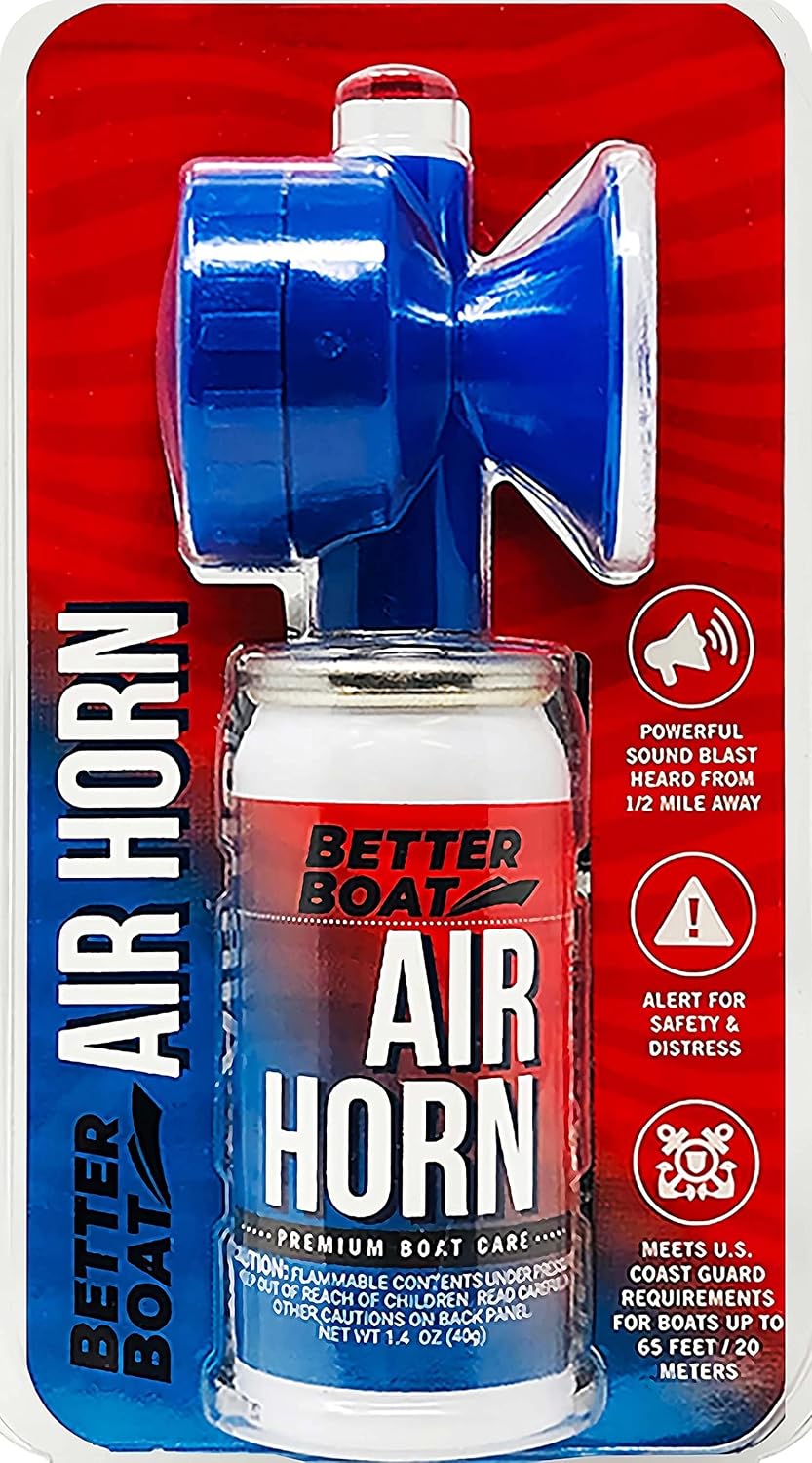
Boat Horn or Whistle
Useful around ramps, channels, bridges, and low visibility.
View ProductVisual Distress Signals
Flares, approved electronic distress lights, orange flags, and other visual distress signals help rescuers or nearby boaters find you. Requirements depend heavily on where and when you operate, especially coastal waters, the Great Lakes, night operation, and boat length.
Pyrotechnic flares have expiration dates and storage considerations, while electronic distress lights need batteries and must meet the applicable approval standard. Either way, distress gear should be easy to locate and understood by more than one person aboard.
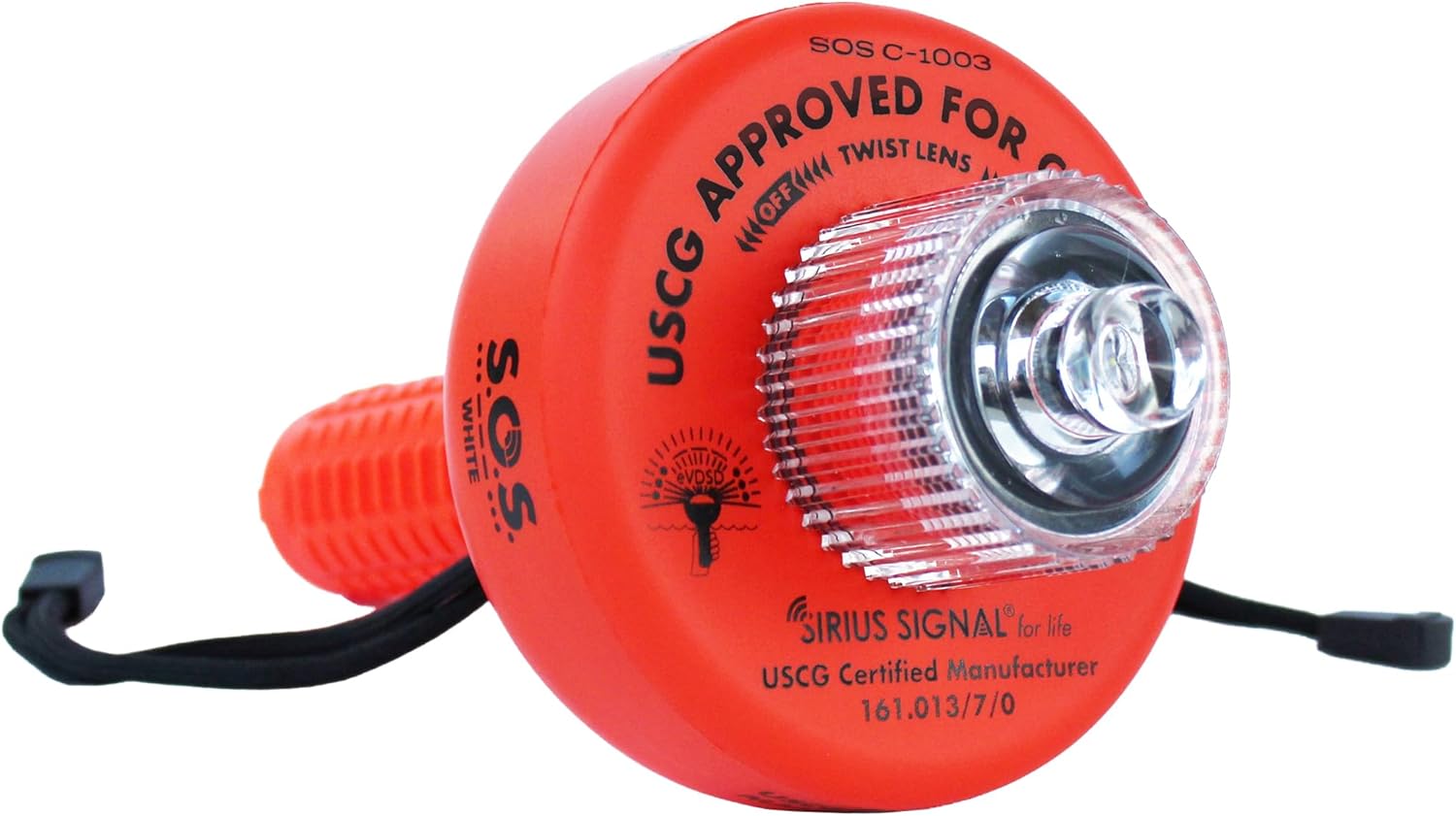
Visual Distress Signals
Compare expiration dates, storage needs, and electronic options.
View ProductVisibility, First Aid, and Practical Backup Gear
Some safety gear is about meeting minimum carriage rules. Other gear is about making a small problem easier to manage before it becomes a large one.
Navigation Lights and Backup Lighting
If there is any chance of low visibility, dusk, dawn, fog, rain, or a delayed return, navigation lights should be checked before the boat leaves the trailer. A waterproof flashlight or headlamp is also useful for checking the bilge, reading labels, signaling, or handling a ramp problem after dark.
Portable lights are not a substitute for required navigation lighting, but they are one of the most useful low-cost backups to keep in a dry box.
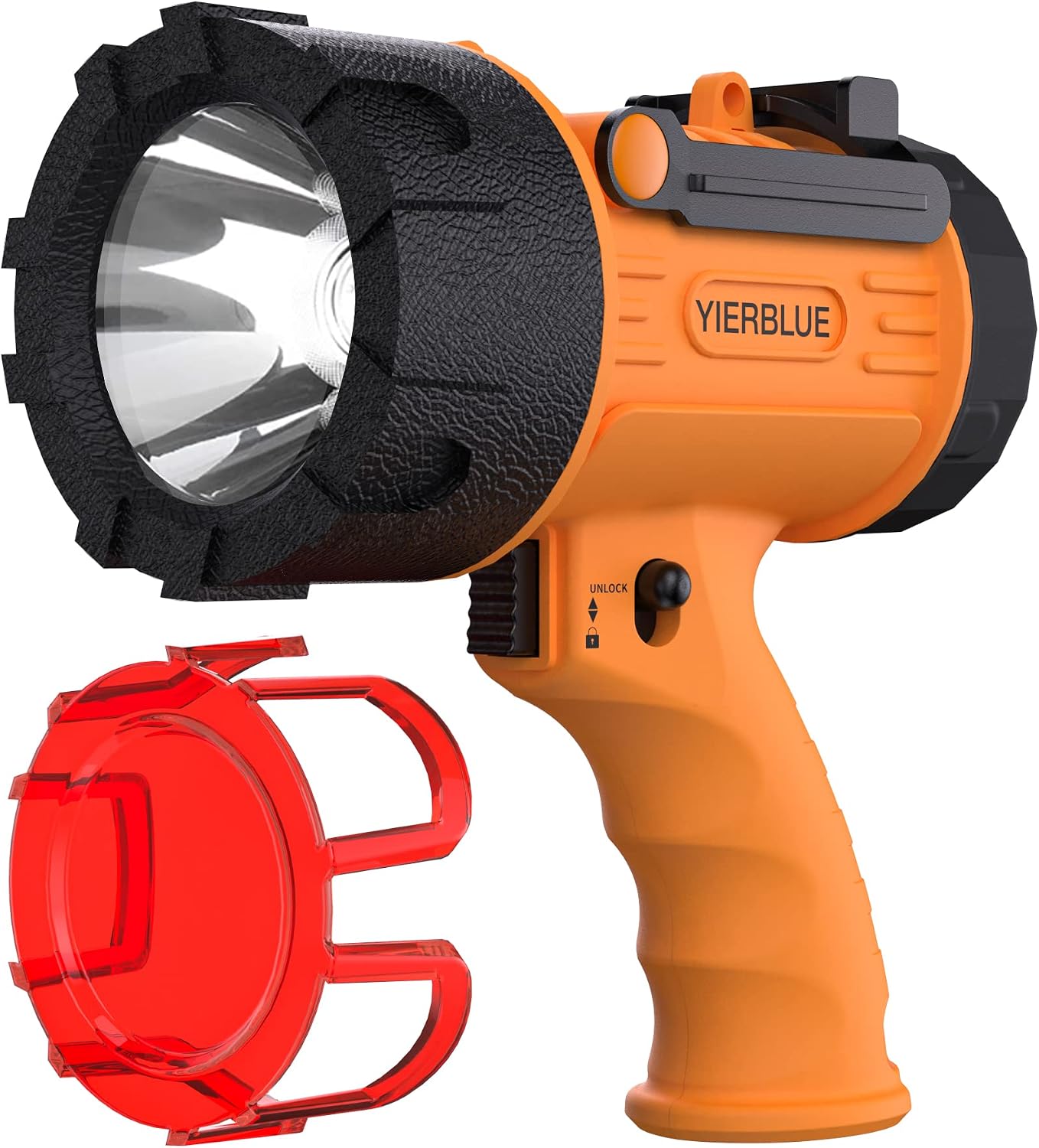
Waterproof Flashlight or Headlamp
Useful for ramp problems, bilge checks, and nighttime loading.
View ProductFirst Aid Kit
A boating first aid kit should handle the injuries that commonly happen around ramps, docks, fishing gear, hot decks, and sharp hardware. Waterproof packaging matters because a damp kit full of ruined bandages is only reassuring until you open it.
Choose a kit with basics like bandages, gauze, antiseptic wipes, gloves, blister care, tweezers, and a compact instruction card. Add personal medication, motion-sickness supplies, sunscreen, and any trip-specific items separately.
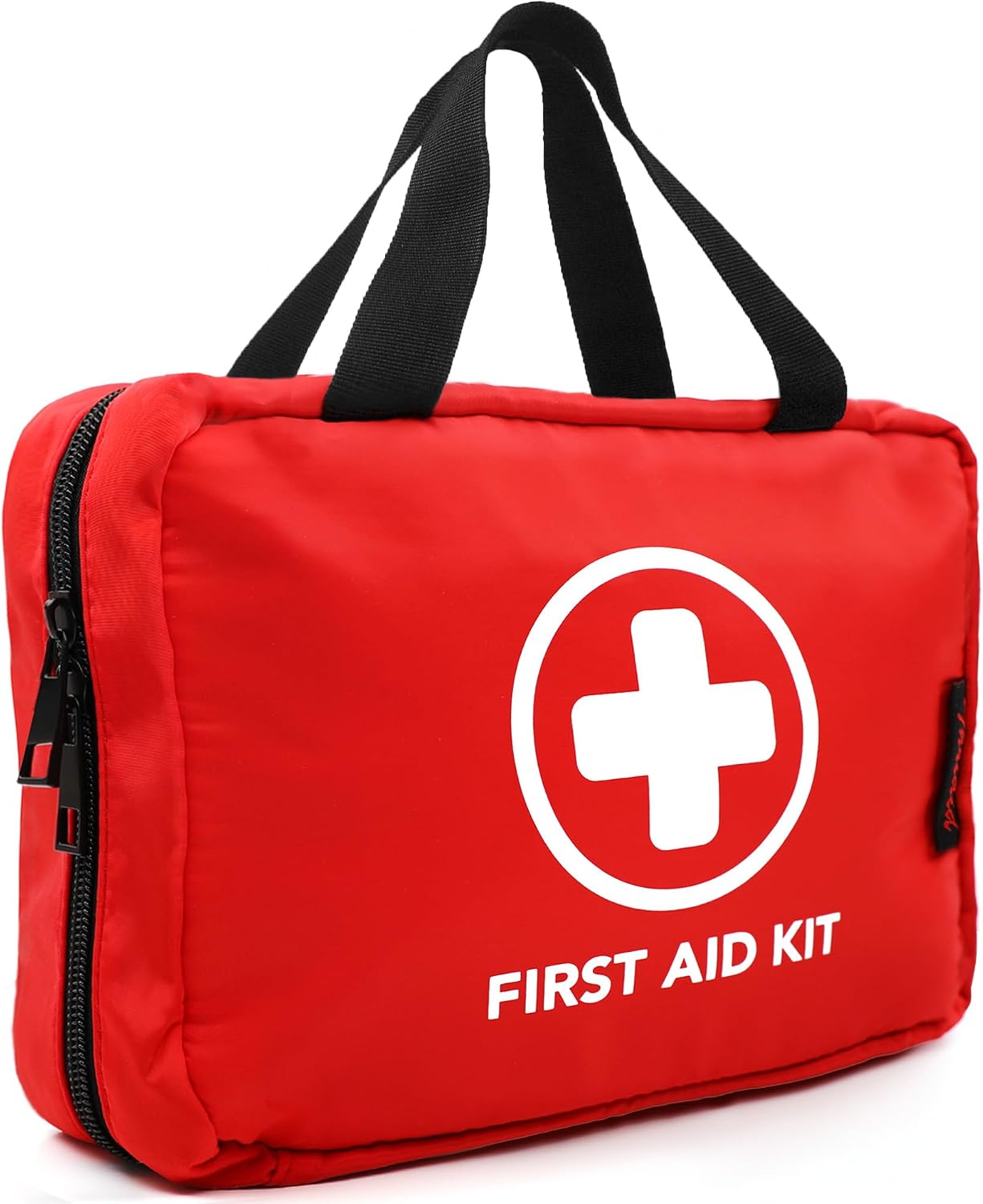
Waterproof First Aid Kit
Helps with cuts, hooks, burns, scrapes, and dockside mishaps.
View ProductDry Storage and Labels
Safety gear works better when passengers can find it. A dedicated dry bag, labeled box, or clearly marked compartment helps guests locate first aid, flares, whistles, flashlights, and spare batteries without digging through towels and tackle.
This is especially helpful for trailer boaters because the boat may be loaded differently each trip. A consistent safety gear location turns the pre-launch check from a memory test into a habit.
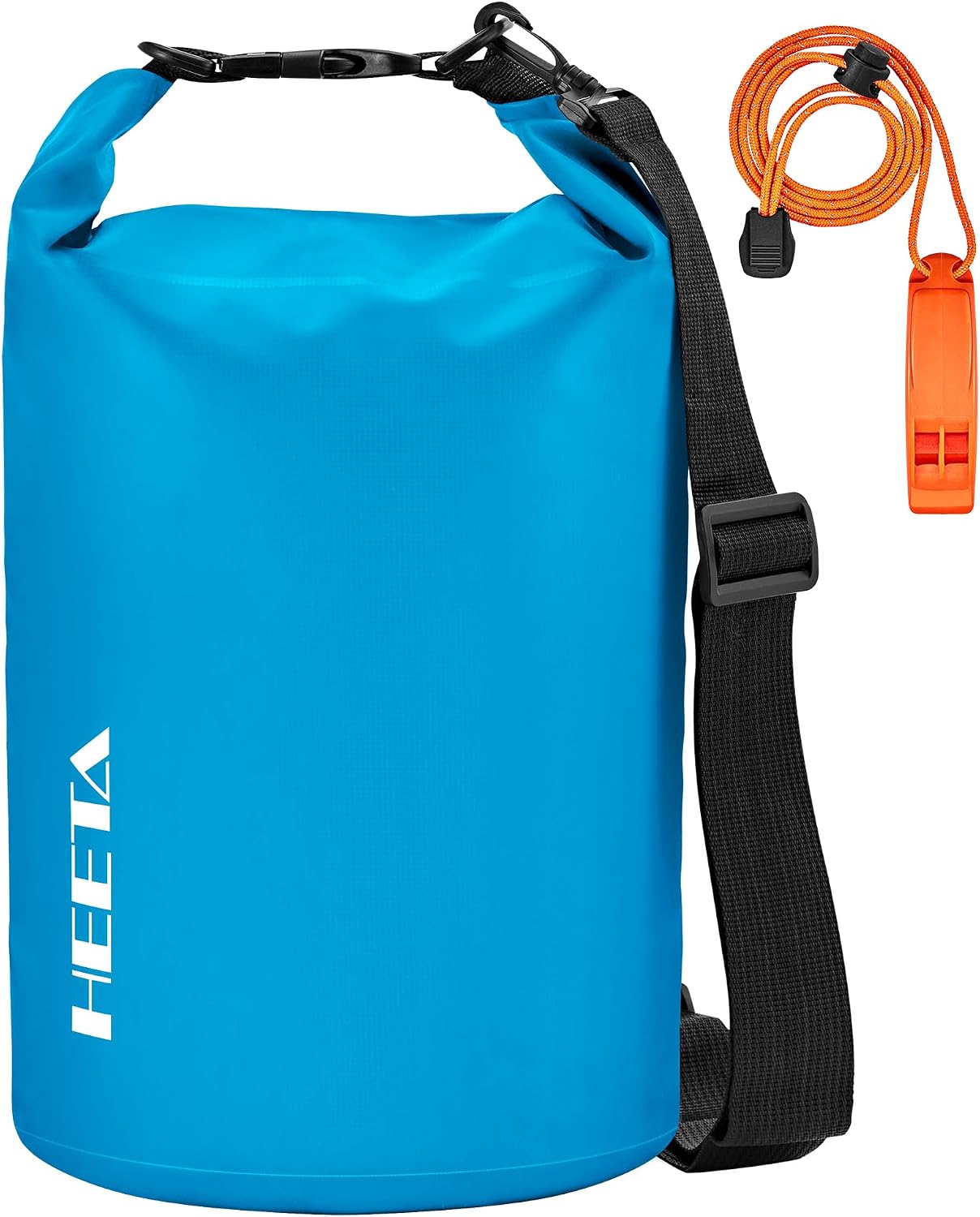
Dry Box or Safety Gear Bag
Keeps first aid, signals, lights, and batteries together.
View ProductHow to Store and Maintain Safety Gear
Safety equipment should be inspected before the season, during the season, and any time the boat has sat unused. Look for cracked plastic, mildew, corrosion, dead batteries, broken straps, missing whistles, faded labels, expired flares, discharged extinguishers, and storage compartments that have collected water.
For families and guest-heavy boats, it helps to do a quick passenger-specific check before leaving home: count people, match life jacket sizes, confirm child requirements, and make sure the throwable device and fire extinguisher are not buried under the day's gear.
Important: This page is general buying guidance, not a legal compliance chart. Use it alongside your state boating rules, U.S. Coast Guard guidance, and the owner manuals for your boat and safety equipment.
Disclosure: Some links on this page may be affiliate links. PlugKeyper may earn a commission from qualifying purchases at no additional cost to you. Product recommendations should be based on usefulness, fit, approval status, and compatibility with your boat.

PlugKeyper Is Part of the Safety Routine
Safety gear is only one part of a good launch routine. Before backing down the ramp, also confirm the drain plug, bilge pump, battery, dock lines, motor position, and trailer tie-downs.
PlugKeyper Wrench Model keeps the boat key and drain plug reminder together, with a built-in wrench for standard 1/2 inch garboard NPT boat drain plugs.