
Boat Trailer Tire and Roadside Emergency Kit Essentials
A flat tire, loose lug nut, weak jack, or missing spare can turn a simple launch day into a long roadside problem. This guide helps trailer boaters build a practical kit for tire trouble, roadside repairs, and safer towing stops.
Start here: Boat trailers need gear that matches the trailer, not just the tow vehicle. Confirm tire size, load range, wheel bolt pattern, jack rating, lug nut size, and spare mounting clearance before ordering anything.
Quick Navigation
Spare Tire and Wheel
The most useful roadside kit starts with a spare tire that actually fits the trailer. A tow vehicle spare will not help if the trailer wheel has a different bolt pattern, tire size, load range, or center bore.
Trailer Spare Tire and Wheel Assembly
A mounted spare wheel is usually faster and cleaner than trying to repair a tire on the shoulder. Match the tire size, load range, wheel diameter, bolt pattern, and maximum pressure to your trailer's requirements.
For boat trailers, inspect the spare for age, cracking, corrosion, low pressure, and damage from sun exposure. A spare that has sat untouched for years can look reassuring on the trailer while being unready for highway use.
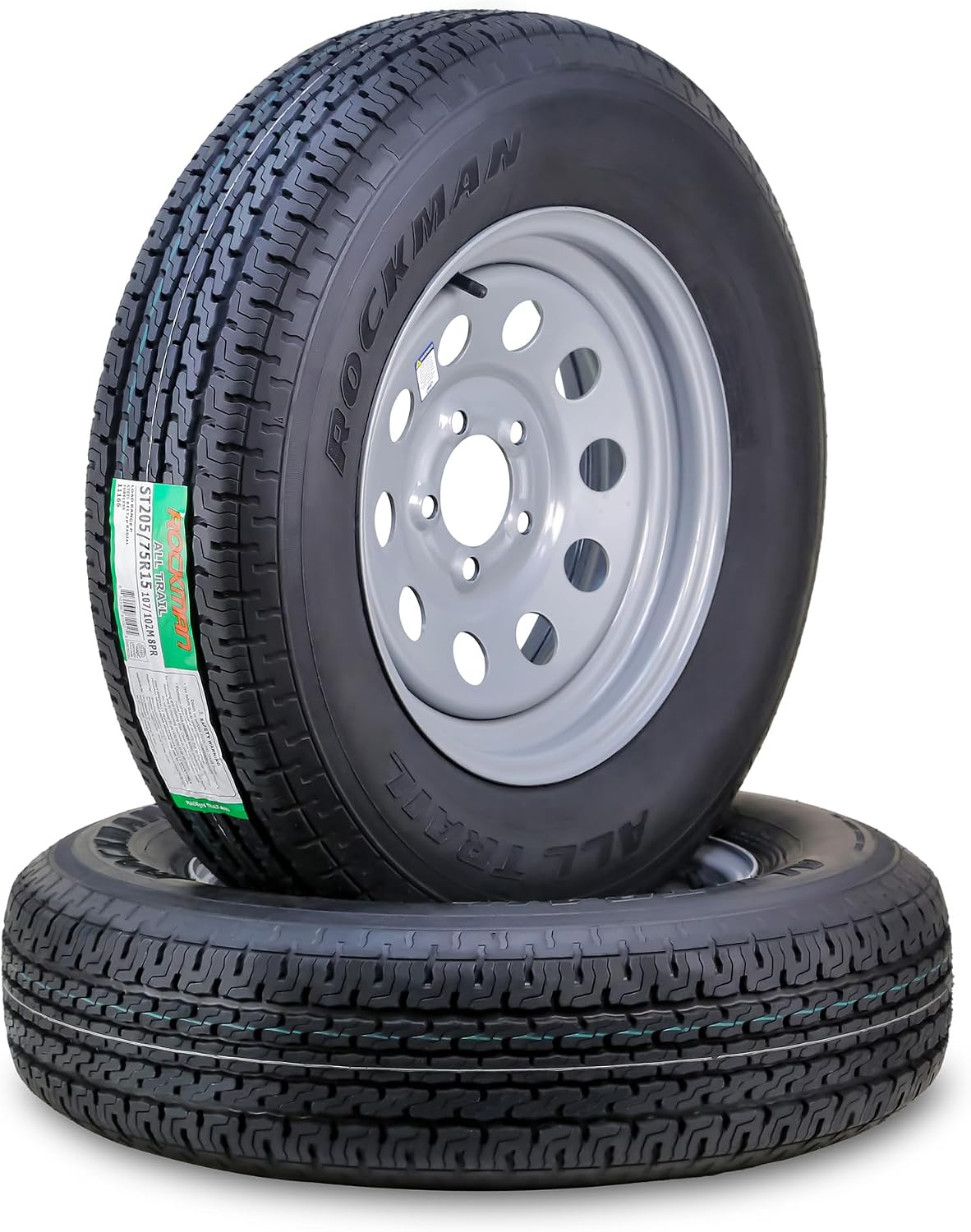
Trailer Spare Tire and Wheel
Confirm tire size, load range, and bolt pattern before buying.
View Product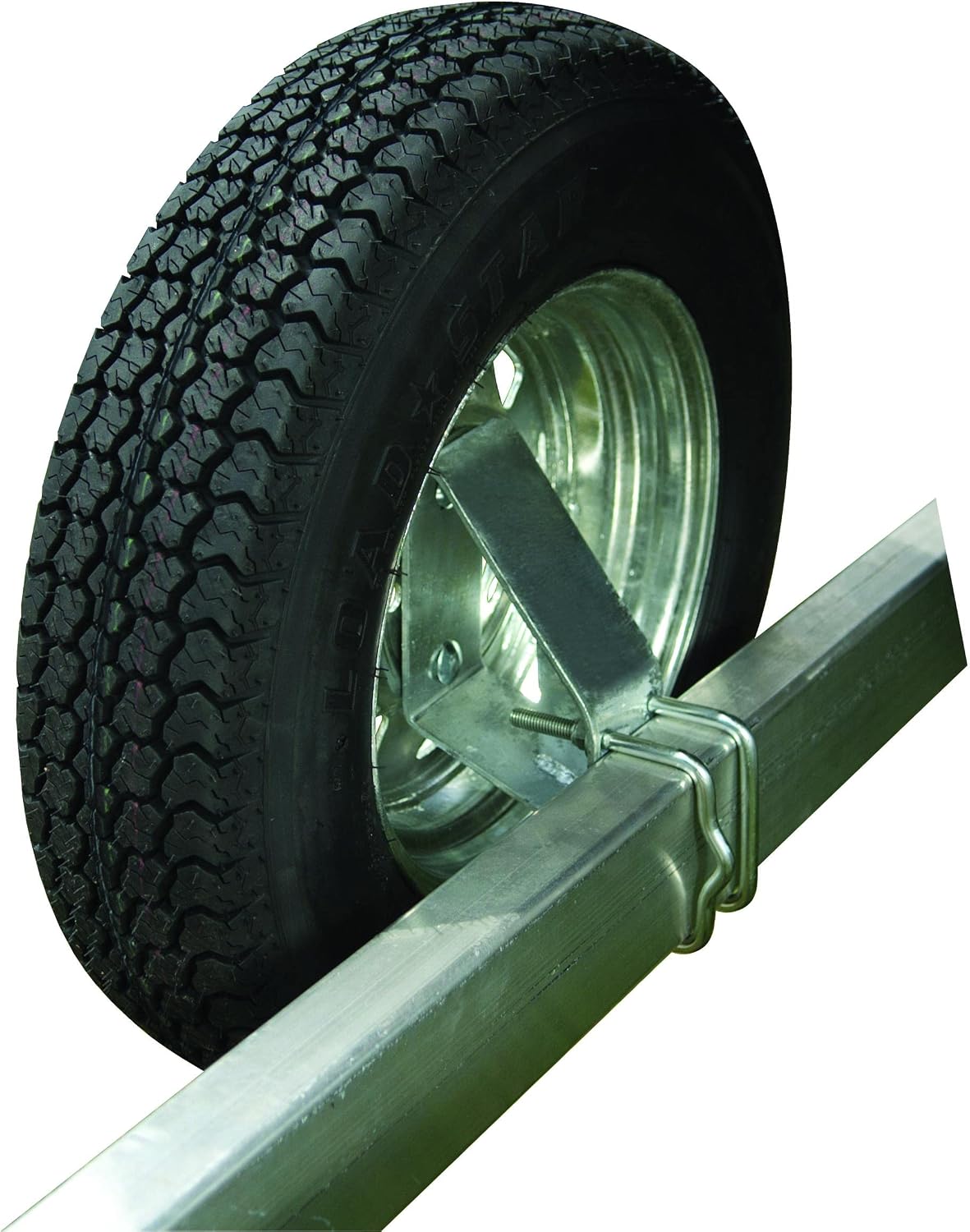
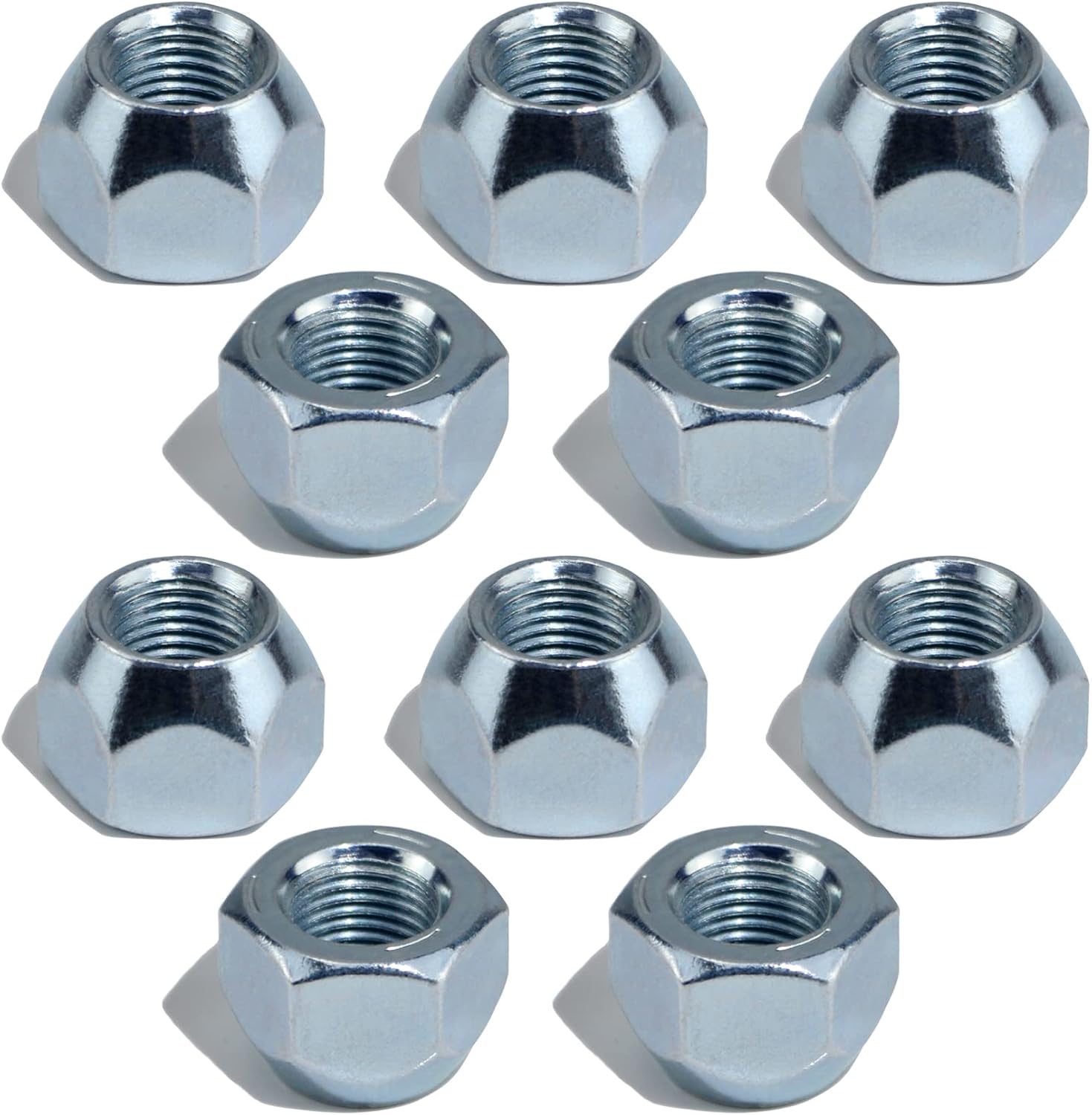
Trailer Lug Nuts
Carry extras that match your trailer studs and wheel seat style. For saltwater use, look for corrosion-resistant or galvanized options.
View Product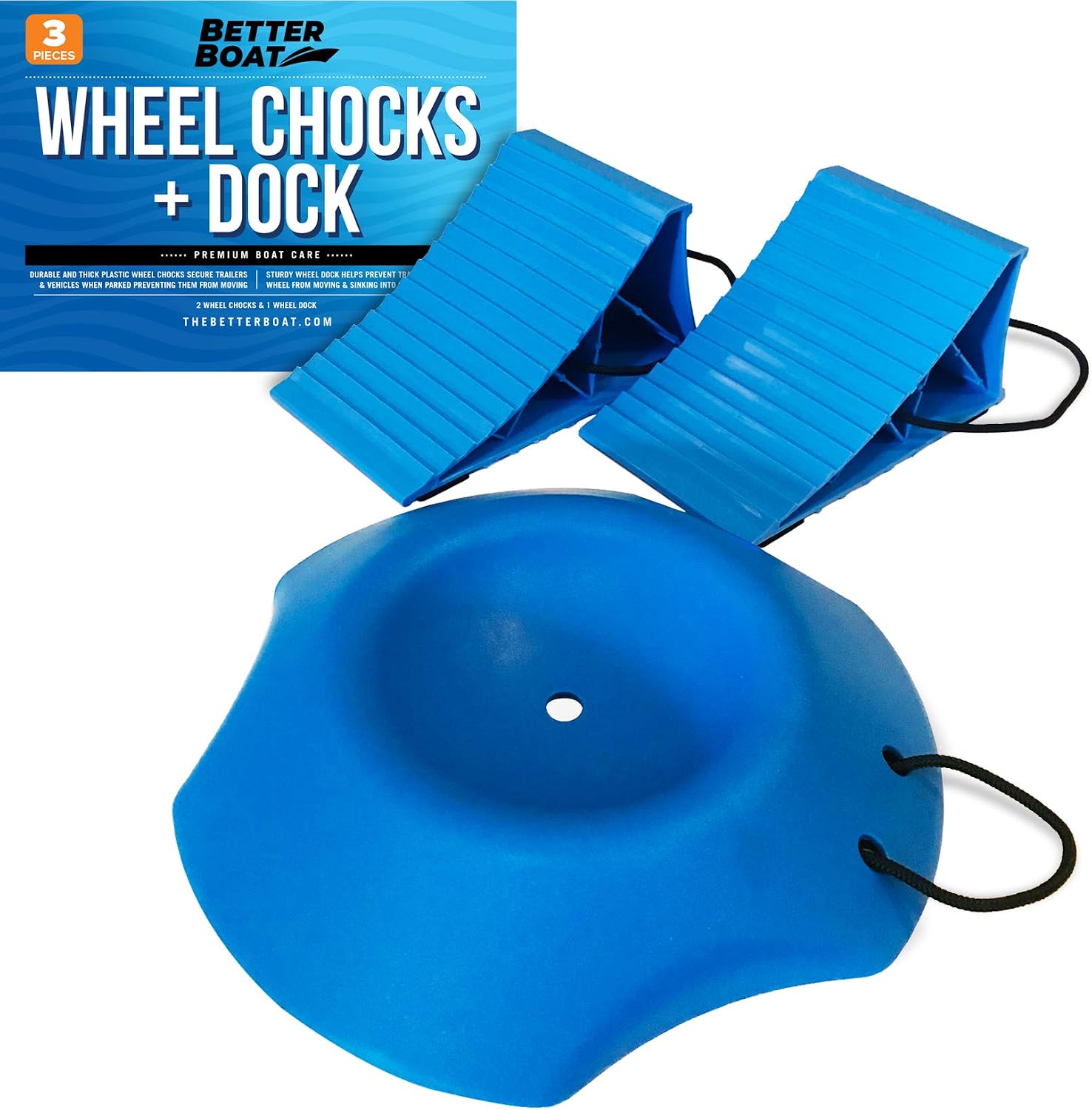
Wheel Chocks
Useful at ramps, storage lots, roadside tire changes, and under the trailer tongue wheel on soft ground.
View ProductJack and Lug Tools
A good spare is only useful if you can safely lift the trailer and remove the wheel. Trailer frames, axles, and fenders often make ordinary car jacks awkward, so confirm your lifting plan before the first roadside problem.
Trailer-Rated Jack
Choose a jack with enough capacity for your loaded trailer and a lifting range that works with your axle or frame. Test it at home on level ground so you know where it contacts the trailer and whether it clears the fender.
Some boaters prefer a compact bottle jack, while others carry a trailer aid ramp style tool for tandem-axle trailers. Either way, do not assume the tow vehicle jack will fit the trailer.
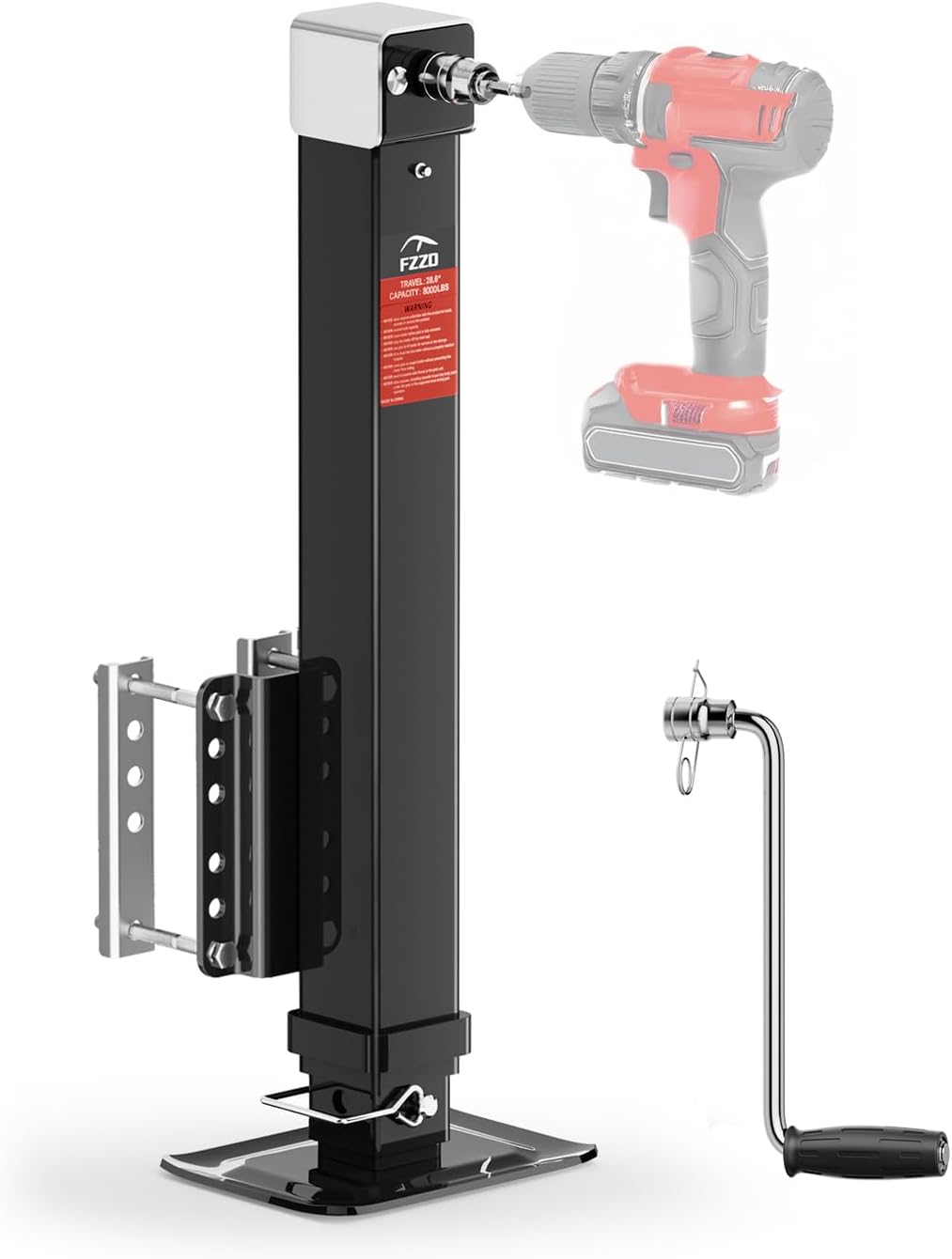
Trailer-Rated Jack
Match capacity, lifting range, and safe contact points to your trailer.
View ProductLug Wrench and Torque Wrench
Carry a lug wrench or breaker bar that actually fits the trailer's lug nuts. After a wheel change, a torque wrench helps tighten lug nuts to the manufacturer's specification instead of guessing on the shoulder.
Before long trips, verify that the lug wrench fits both the trailer wheels and the spare carrier hardware. A socket that fits one may not fit the other.
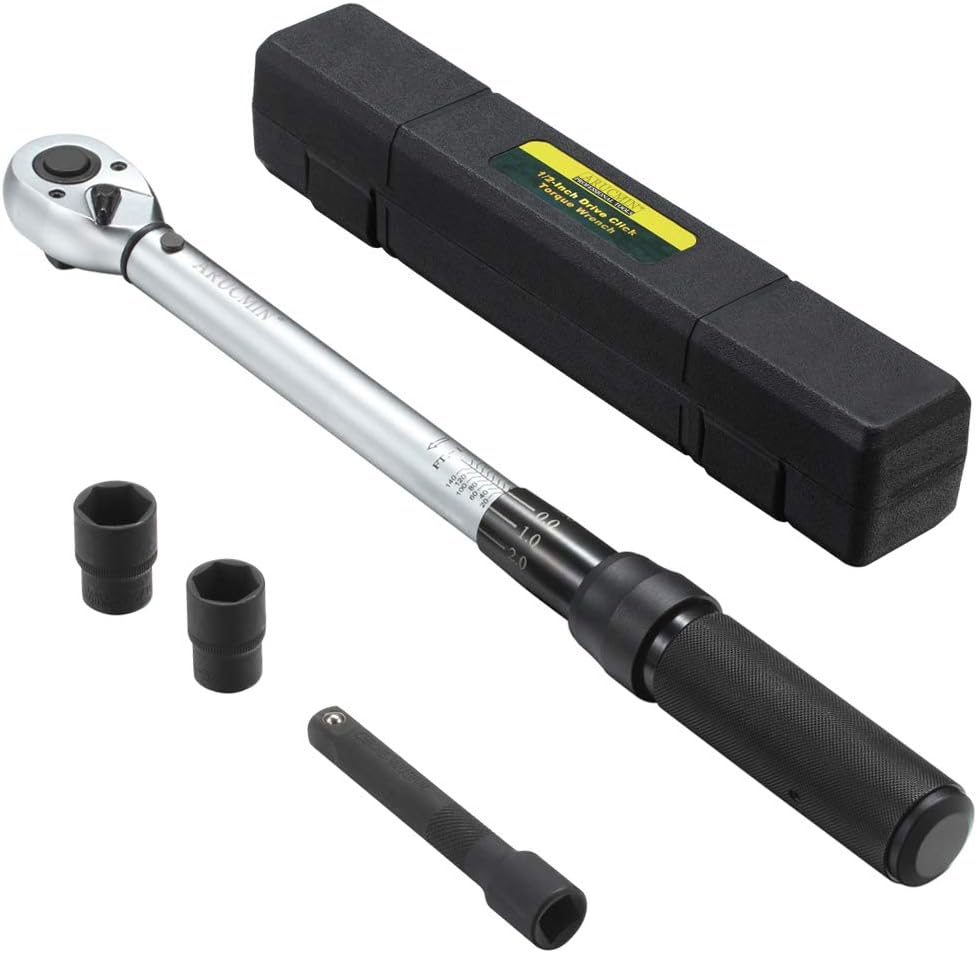
Lug and Torque Tools
Useful for wheel changes, lug checks, and pre-trip maintenance.
View ProductSafety first: Never put any part of your body under a trailer supported only by a jack. Park away from traffic when possible, use wheel chocks, and follow the trailer manufacturer's lifting instructions.
Inflation and Pressure
Boat trailer tires often fail because they are old, underinflated, overloaded, or run hot. Pressure checks are one of the simplest ways to catch trouble before towing.
Portable Tire Inflator
A portable inflator can top off trailer tires at home, at storage, or during a stop. Choose one that can reach the pressure printed on your trailer tire sidewall and connect reliably to your tow vehicle power source.
For longer trips, check whether the power cord and air hose can reach the trailer wheels without moving the tow vehicle into an unsafe position.
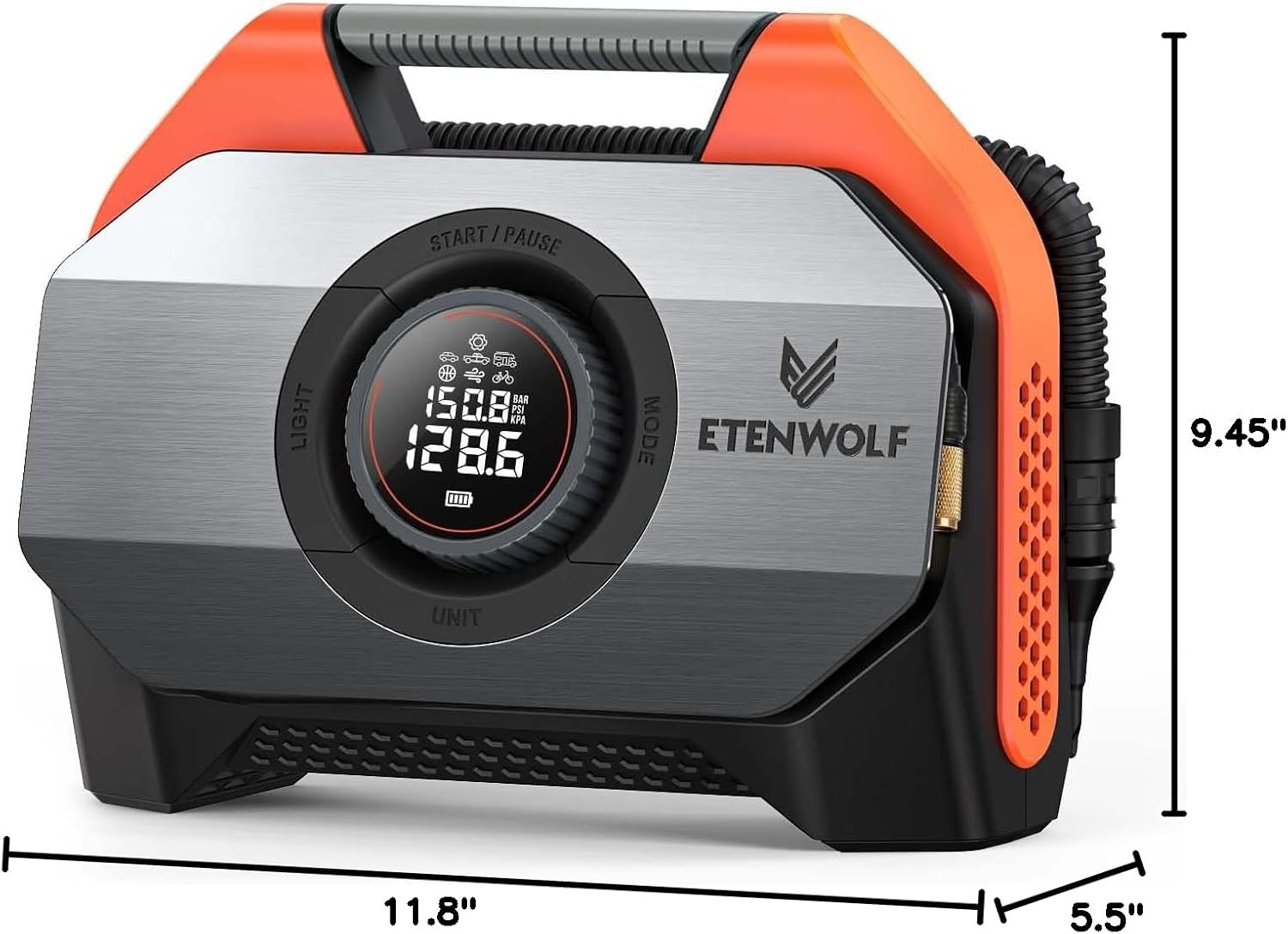
Portable Tire Inflator
Good for pressure top-offs before towing and during travel stops.
View ProductTire Pressure Gauge
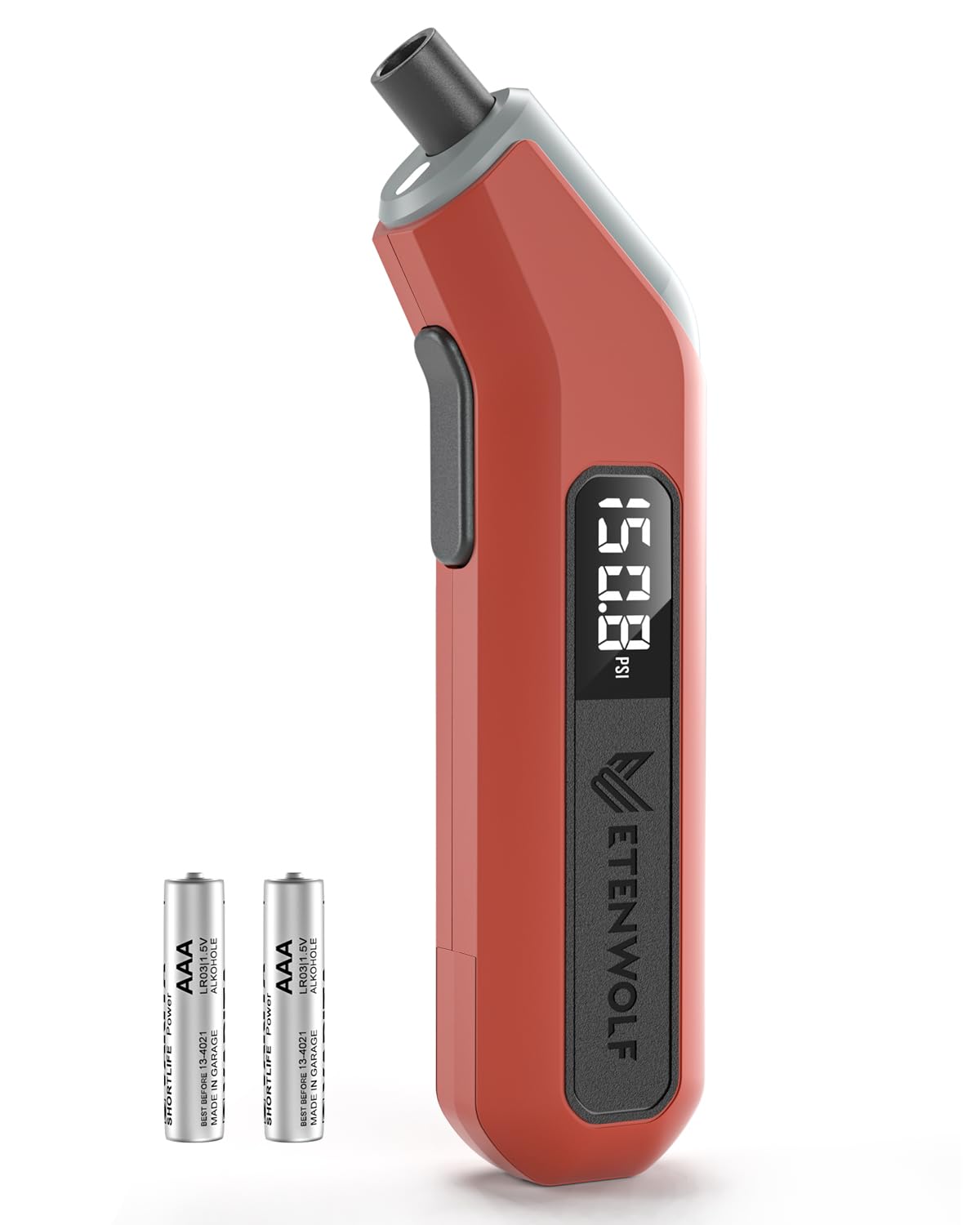
A dedicated gauge makes pressure checks quick and consistent. Keep one in the tow vehicle or trailer kit, and use it before towing while the tires are cold.
Do not rely only on a visual check. Trailer tires can look acceptable while still being underinflated for the load they are carrying.
Roadside Safety Gear
Changing a trailer tire beside traffic is stressful. Visibility gear, gloves, lighting, and organized tools make the job safer and faster.
Warning Triangles or LED Road Flares
Reflective triangles, LED flares, or other visibility markers help alert drivers that you are stopped. They are especially useful at night, in rain, or on narrow roads near boat ramps and bridges.
Store them where you can reach them without unpacking the boat or crawling around the shoulder side of the trailer.
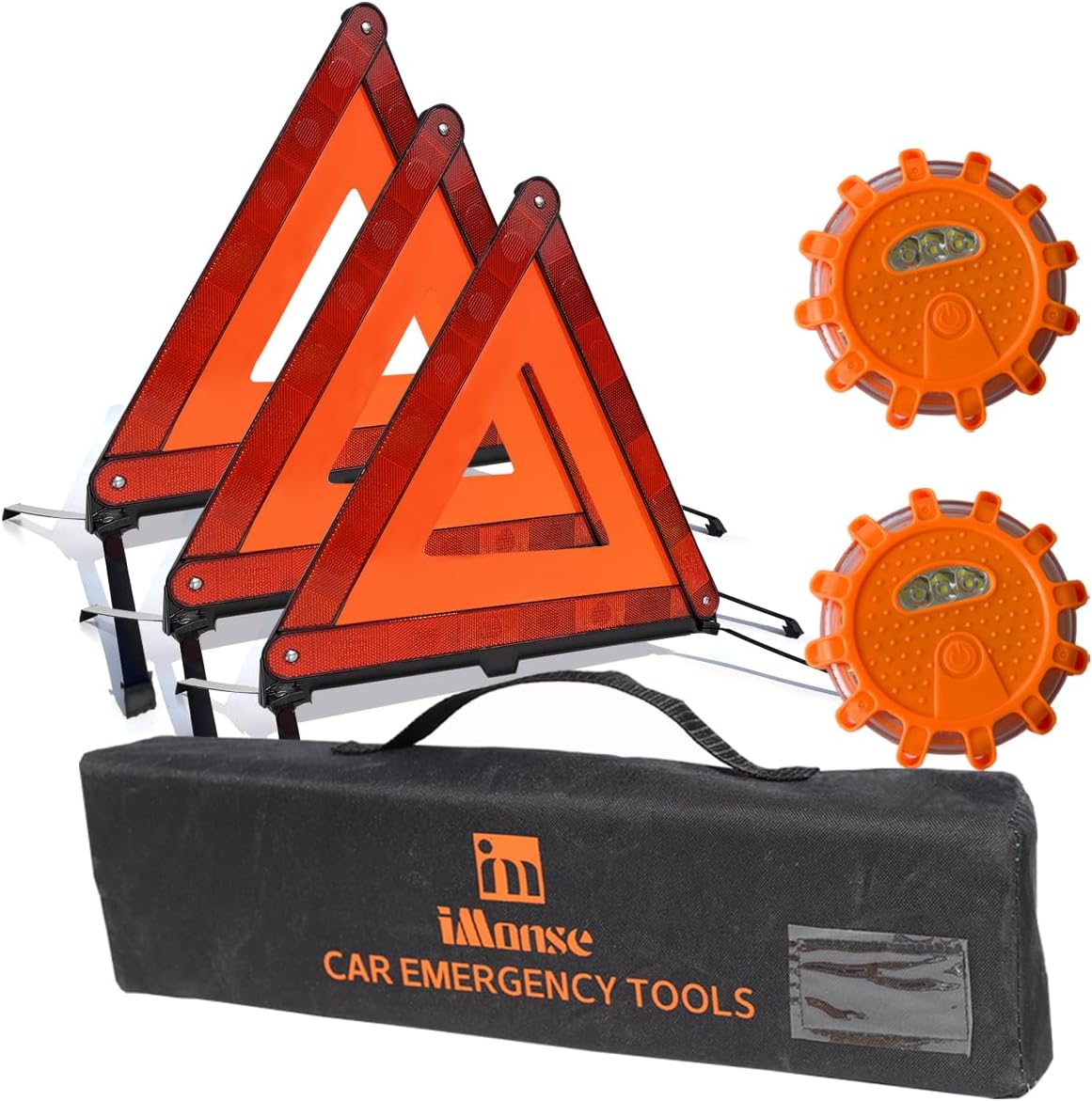
Warning Triangles or LED Flares
Helps make the tow vehicle and trailer more visible during a stop.
View ProductGloves, Headlamp, and Work Light
Boat trailer wheels, hubs, straps, and fenders get dirty fast. Gloves protect your hands, and a headlamp frees both hands for lug nuts, jack placement, and checking the underside of the trailer.
A small waterproof light is also useful at the ramp for checking straps, plug status, wiring, and the bilge area before or after launch.
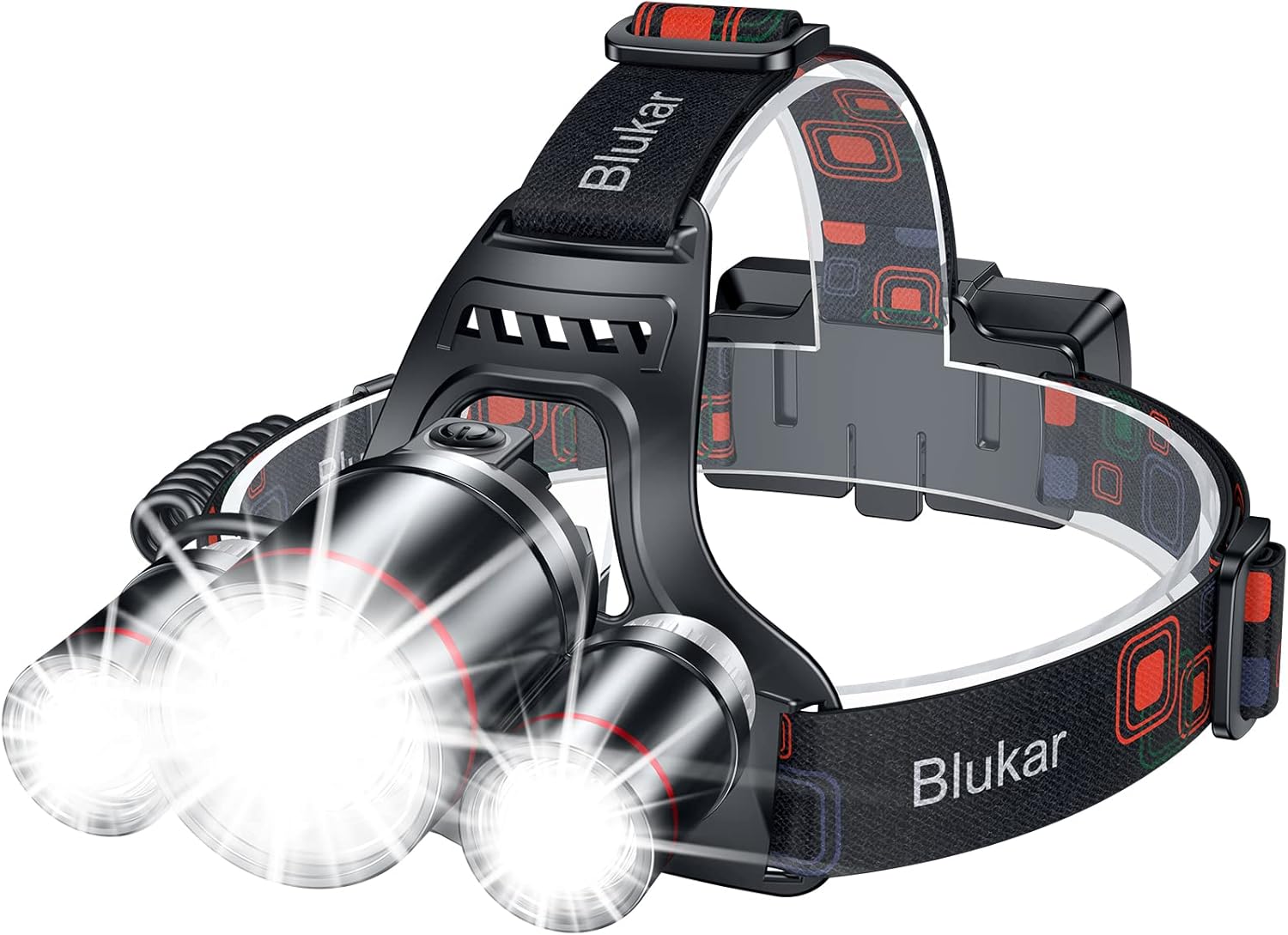
Gloves and Headlamp
Simple gear that makes dark or dirty roadside work easier.
View ProductBackup Repair Parts
Some roadside failures are not just tire failures. A small box of practical trailer wiring items can prevent a minor issue from ending the trip.
Trailer Light and Wiring Backup
Boat trailer wiring sees water, vibration, sun, corrosion, and tight turns. A few backup items like fuses, wire connectors, electrical tape, dielectric grease, and a basic tester can help diagnose light problems before towing home.
If the trailer lights are old, a submersible LED trailer light kit may be worth keeping on your upgrade list instead of repeatedly patching brittle wiring.
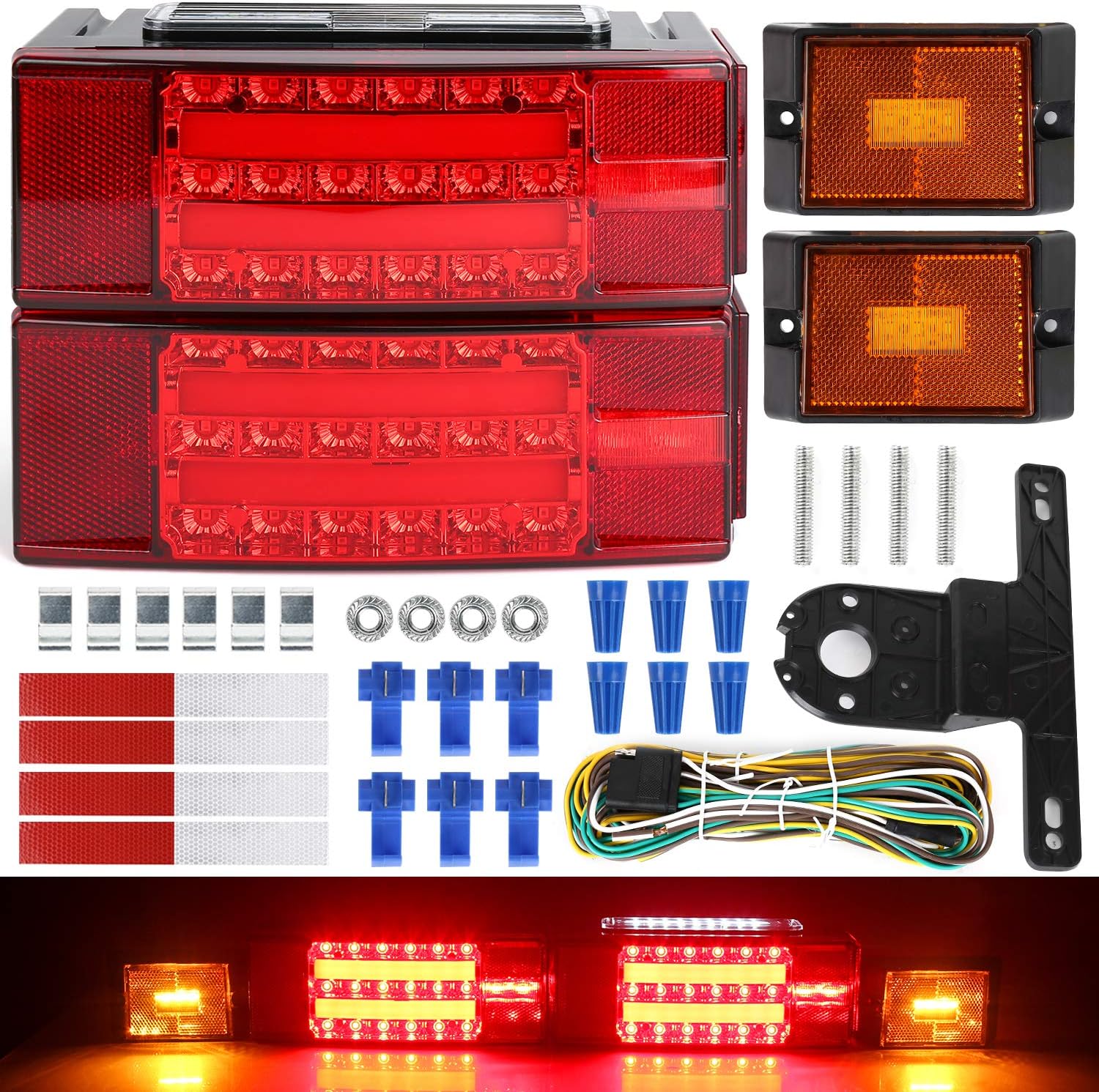
Submersible Trailer Light Kit
Useful for light checks, wiring repairs, and keeping a boat trailer visible after ramp use.
View ProductHow to Store the Kit and Check It Before Towing
Keep roadside gear together in the tow vehicle, truck bed, or a dry trailer box. The best kit is one you can reach without unloading coolers, rods, life jackets, and wet boat gear on the side of the road.
Before a trip, check spare tire pressure, jack location, lug wrench fit, chocks, lights, straps, wheel bearing heat history, and trailer tire condition. If the trailer has been sitting, inspect for cracked sidewalls, flat spots, dry rot, rusted wheels, loose valve stems, and corroded spare tire carrier hardware.
Important: This page is general buying guidance, not a towing or repair manual. Follow your trailer, axle, wheel, tire, and jack manufacturer instructions, and use roadside assistance when a repair location is unsafe.
Disclosure: Some links on this page are Amazon affiliate links. PlugKeyper may earn a commission from qualifying purchases at no additional cost to you. Product recommendations should be based on trailer fit, usefulness, safety, and compatibility.

PlugKeyper Belongs in the Same Routine
A good launch day starts before the boat reaches the ramp. Check the trailer tires, spare, lights, straps, and wheel bearings, then confirm the drain plug before backing down.
PlugKeyper Wrench Model keeps the boat key and drain plug reminder together, with a built-in wrench for standard 1/2 inch garboard NPT boat drain plugs.