

Boat Winterization Checklist: How to Put Your Boat Away for the Season
A calm winterization routine protects your engine, plumbing, battery, trailer, and drain plug setup before freezing weather turns small leftovers into expensive spring problems.
Start with your manuals: This checklist is a practical planning guide for recreational boats, but every engine, drive, plumbing system, battery, and trailer can have specific requirements. Follow your owner's manuals and use a qualified marine technician when a step is outside your comfort level.
Quick Navigation
When to Winterize
Winterization should happen before the first hard freeze, but it is usually easier to do it earlier while marinas, mechanics, and parts suppliers are not overloaded. A boat that still has water in the engine block, lower unit, livewell plumbing, bilge, or freshwater lines can be damaged when that water freezes and expands.
Before Freezing Nights
Schedule service, gather supplies, and drain obvious standing water before temperatures become unpredictable.
After the Last Trip
Clean the boat, stabilize fuel, service systems, remove valuables, and make notes for spring repairs.
During Storage
Check the cover, batteries, moisture control, and trailer position after storms or big temperature swings.
Engine and Fuel System
- Read the winterization instructions for your exact outboard, sterndrive, inboard, or jet drive.
- Add marine fuel stabilizer to the tank before the final run so treated fuel reaches the engine.
- Change engine oil and filter if recommended before storage.
- Replace or inspect fuel filters and water separators.
- Flush the engine according to the manufacturer's instructions.
- Drain cooling water or circulate the correct marine antifreeze if your engine type requires it.
- Fog cylinders or follow the manufacturer's internal corrosion protection procedure.
- Change lower unit or gearcase oil and inspect for water contamination.
- Inspect belts, hoses, clamps, anodes, propeller, and seals for wear or damage.
- Grease fittings and steering components where specified.
Freeze warning: Automotive antifreeze is not a substitute for the correct marine winterizing antifreeze and procedure. Some engines must be fully drained before antifreeze is introduced. Follow the engine manufacturer's sequence carefully.
Water Systems and Bilge
- Drain freshwater tanks, water heaters, pumps, faucets, transom showers, and washdown lines.
- Winterize freshwater and sanitation systems with the correct non-toxic marine antifreeze.
- Drain livewells, baitwells, raw-water washdowns, and pumps.
- Clean the bilge and remove leaves, sand, fishing line, and other debris.
- Confirm the bilge pump and float switch are clean and working before storage.
- Leave compartments dry and ventilated where practical.
- Use moisture absorbers or mildew control products in cabins and closed compartments.
Any system that holds water deserves attention, even if it seems small. A short hose, pump body, faucet, or fitting can still crack if trapped water freezes inside it.
Battery and Electronics
- Fully charge batteries before storage.
- Disconnect batteries or turn off the battery switch according to your boat's setup.
- Store removable batteries in a cool, dry, ventilated location if recommended by the battery manufacturer.
- Use a compatible maintainer for batteries that will remain connected during storage.
- Remove portable electronics, radios, fish finders, cameras, chargers, and personal gear.
- Check terminals for corrosion and clean them if needed.
- Label disconnected cables if there is any chance of confusion during spring recommissioning.
Hull, Cover, and Storage
- Wash the hull, deck, windshield, hardware, seats, and compartments.
- Remove food, sunscreen, towels, wet ropes, life jackets, and anything that can mildew or attract pests.
- Inspect the hull, transom, rub rail, through-hulls, cleats, and ladder mounts for damage.
- Open lockers and hatches enough to promote airflow where the cover allows it.
- Install a properly supported cover so rain and snow shed instead of pooling.
- Secure the cover without creating rub points on gelcoat, vinyl, or windshields.
- Store the boat with the bow slightly raised so water drains aft.
- Photograph the boat before storage to document condition and make spring setup easier.
Spring-you will appreciate this: Keep a short note of parts to buy, fluids changed, repairs noticed, and items removed from the boat. That list turns spring recommissioning from a guessing game into a quick reset.
Trailer and Drain Plug
- Remove the drain plug after the boat is out of the water and confirm the bilge drains fully.
- Store the plug where it will be impossible to forget during spring launch prep.
- Inspect the drain plug, threads, gasket, O-ring, and transom fitting for wear or corrosion.
- Check trailer tires for pressure, cracking, uneven wear, and age.
- Inspect wheel bearings, hubs, lug nuts, brakes, safety chains, winch strap, bunks, rollers, and lights.
- Grease trailer components where specified and address rust before it spreads.
- Park on firm ground and chock the wheels if the trailer will sit for months.
- Consider removing weight from the tires or moving the trailer periodically during long storage.
Drain plug habit: PlugKeyper Wrench Model is designed to keep your boat drain plug with your boat key, so the plug is visible during launch prep instead of loose in a cup holder, tackle box, or forgotten storage compartment.
Recommended Winterization Supplies
Choose supplies based on your boat, engine, climate, and storage location. Compatibility matters more than buying a universal-looking kit.
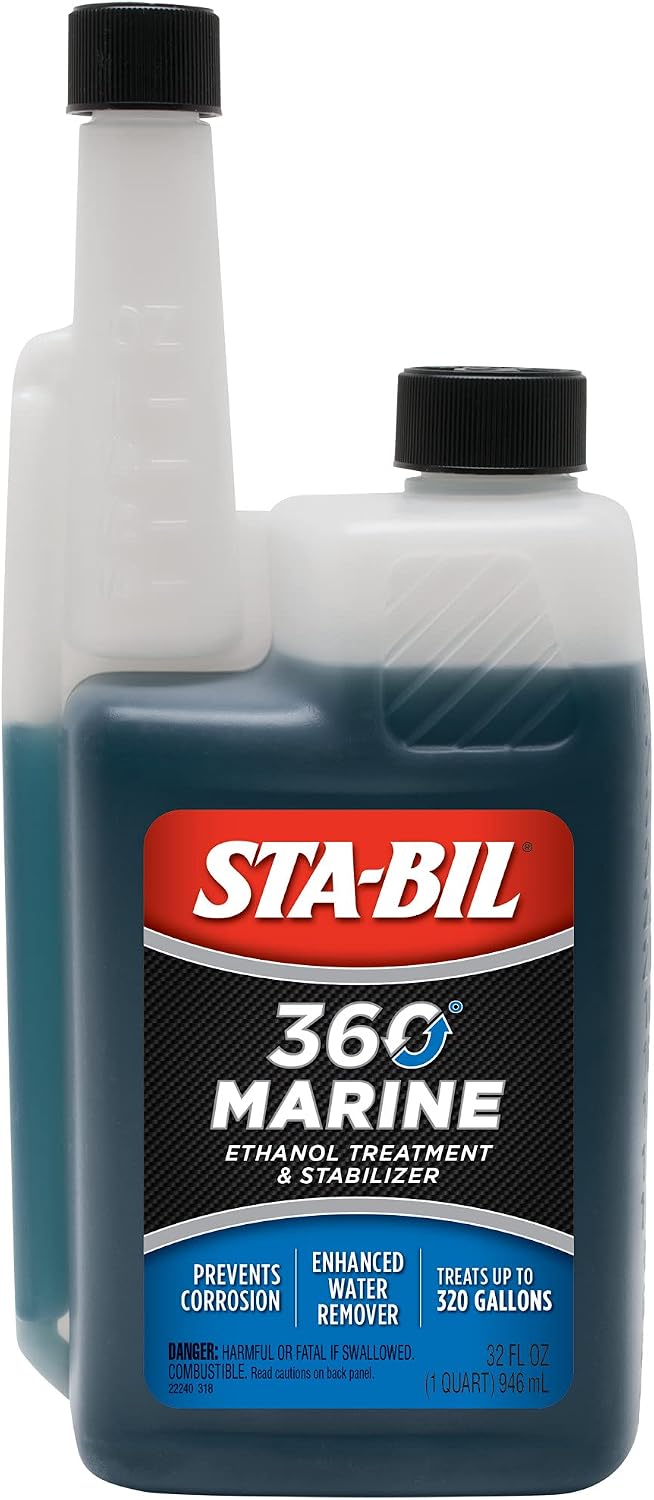
Marine Fuel Stabilizer
Useful before the final run so treated fuel reaches the fuel system before storage.
View Product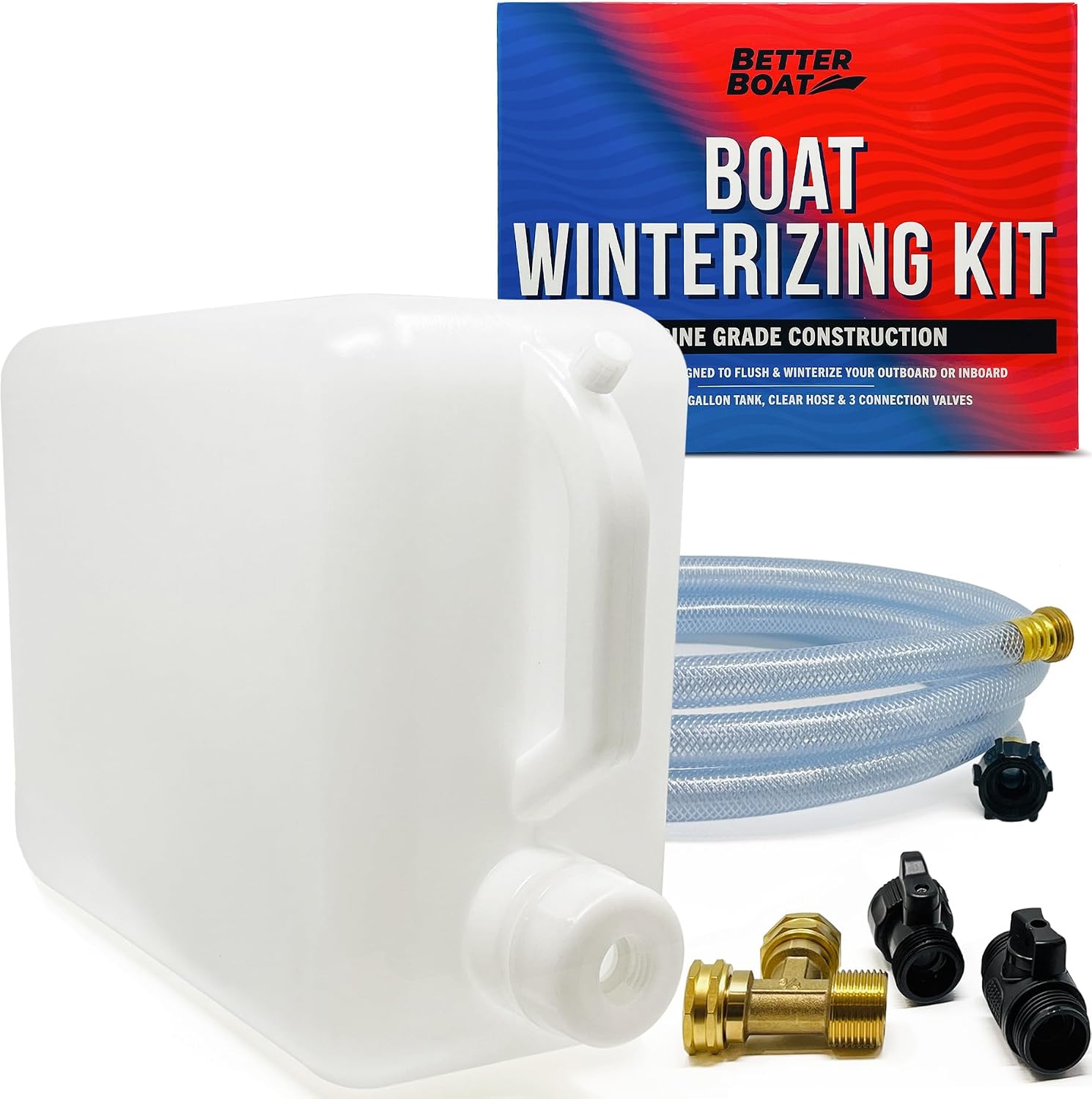
Marine Winterizing Antifreeze
Use the correct non-toxic marine antifreeze for plumbing and approved engine procedures.
View Product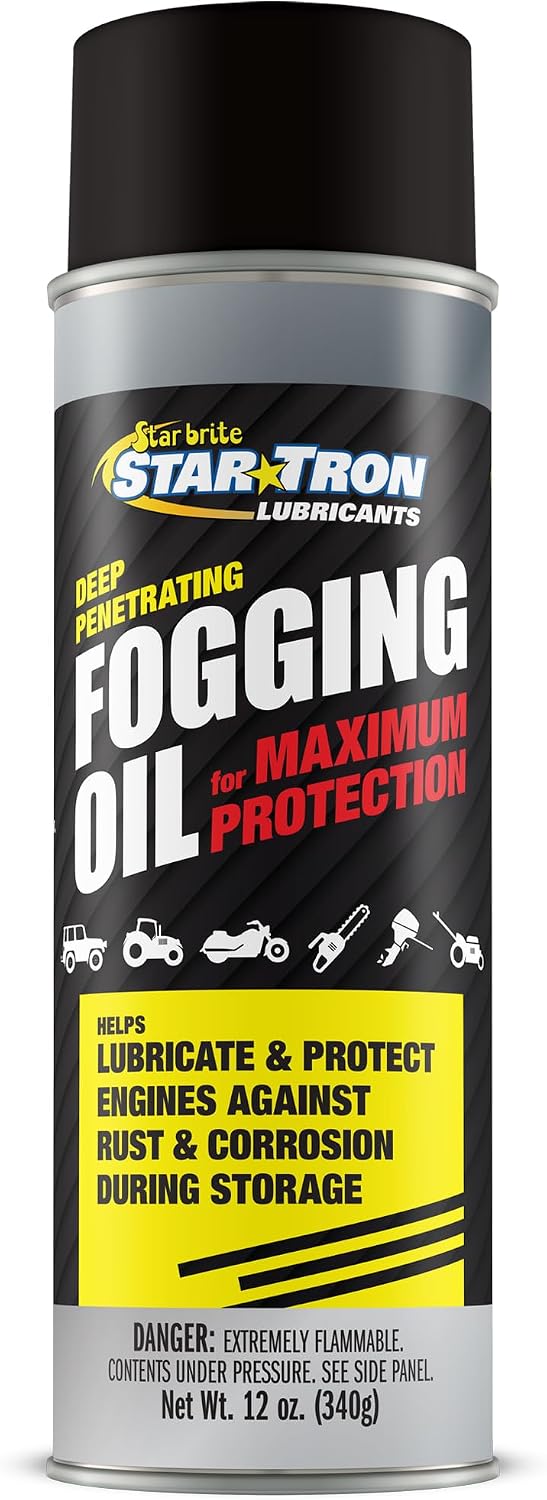
Engine Fogging Oil
Helps protect internal engine surfaces when the engine manufacturer calls for fogging.
View Product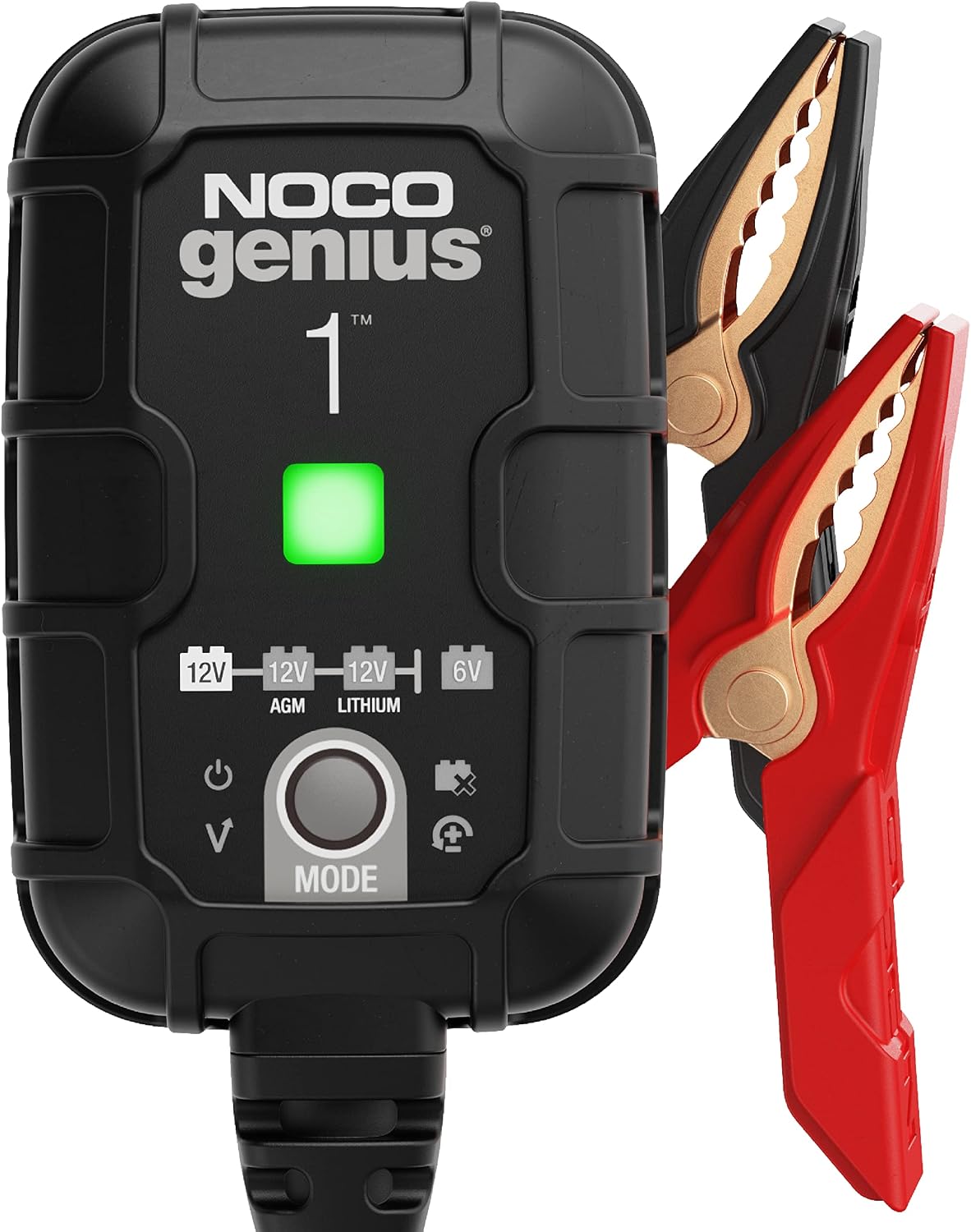
Battery Maintainer
Keeps compatible batteries maintained through storage when used according to battery instructions.
View Product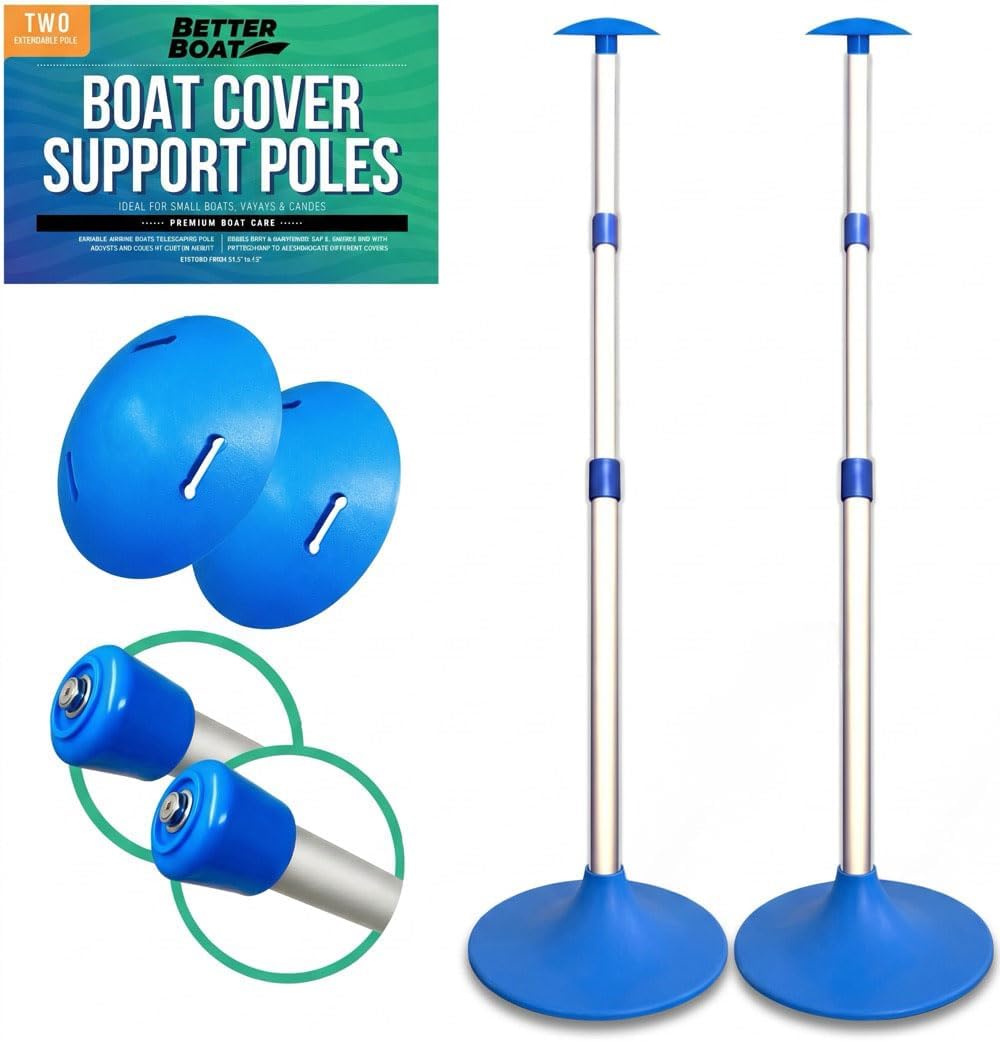
Boat Cover Support Pole
Helps create slope under a cover so rain and snow do not pool over the cockpit.
View Product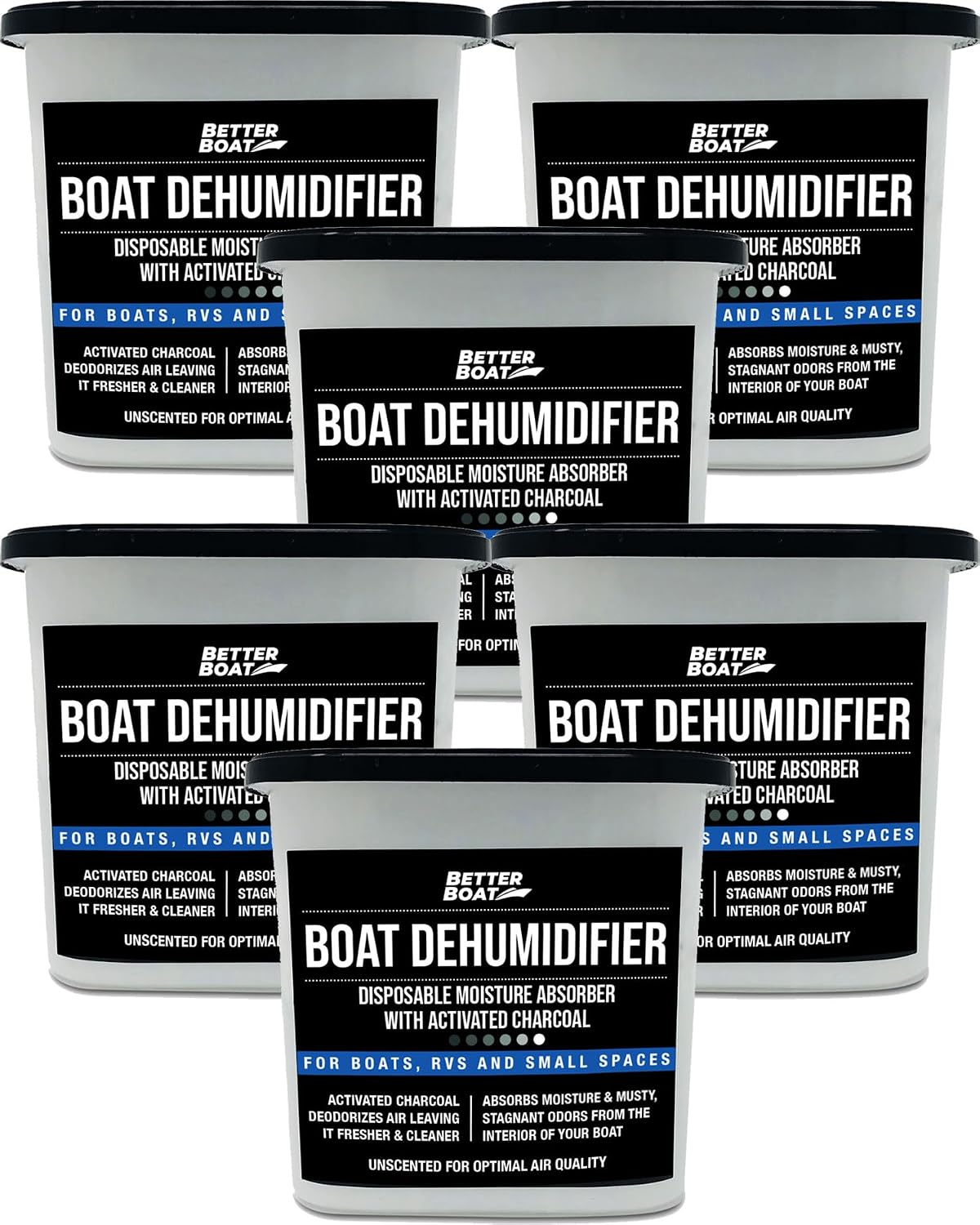
Moisture Absorbers
Useful in cabins, lockers, and enclosed spaces where mildew is a concern.
View ProductDisclosure: Some links on this page may be affiliate links. PlugKeyper may earn a commission from qualifying purchases at no additional cost to you. Product recommendations should be based on usefulness and compatibility, not commission value.